
26June 2026
Debunking popular myths about gambling What you need to know
Understanding the Odds
One of the most pervasive myths about gambling is that players can manipulate the odds to their favor through specific strategies or systems. While strategies can enhance a player’s experience, the reality is that most games are designed with a built-in house edge that ensures the casino maintains a profit over time. For example, in games like roulette or slot machines, the probabilities are clearly defined, and no strategy can alter these pre-set odds. Moreover, for those exploring secure payment methods, neosurf casino instant withdrawal options can be appealing, ensuring a smooth experience.

This misunderstanding often leads gamblers to believe that a series of losses indicates a “due” win, which is a concept known as the gambler’s fallacy. Players might think that because a particular outcome hasn’t occurred recently, it is more likely to happen soon. However, each spin of a slot machine or roll of the dice is an independent event, meaning past outcomes do not influence future results.
Furthermore, educating oneself on the actual probabilities of different games can dramatically shift a player’s approach. By understanding that games of chance rely heavily on luck and randomness, players can enjoy gambling as a form of entertainment rather than a means to achieve financial success.
Myth of Professional Gamblers
Another common myth is that professional gamblers consistently win and can make a living through gambling. While there are indeed individuals who earn a profit from gambling, they usually possess a deep understanding of probability, extensive experience, and the discipline to manage their bankroll effectively. Most gamblers do not see consistent winnings; in fact, many lose money over time.
Professional gamblers often specialize in certain games and use sophisticated techniques to gain an edge, such as card counting in blackjack. However, even these strategies come with risks and are not foolproof. The vast majority of gamblers, including those who play regularly, will experience periods of loss, highlighting the inherent risks involved in gambling.
This illusion of easy money can be detrimental, as it may encourage casual players to chase losses in hopes of hitting a jackpot. This behavior often leads to deeper financial issues, reinforcing the idea that gambling should be approached with caution and as a form of entertainment rather than a way to earn income.
The Misconception of Hot and Cold Streaks
Many gamblers believe in the idea of “hot” and “cold” streaks, thinking that certain games or machines are more likely to pay out based on recent activity. This belief can be misleading, as each gaming session operates independently of the last, governed by random number generators (RNGs) in the case of electronic games. The notion that a machine is “due” for a win or conversely that it is “cold” is simply a psychological trick of the mind.
This fallacy can lead players to waste significant amounts of money chasing after imagined patterns. Understanding that every spin or deal is random and independent can help players temper their expectations and appreciate the unpredictability of gaming. Recognizing that each outcome is separate from previous results can mitigate the urge to gamble based on perceived trends.
Additionally, by focusing on the entertainment value rather than the potential for winning, players can create a more enjoyable experience. Accepting that losses are part of the game allows individuals to engage in responsible gambling practices, reducing the likelihood of emotional or financial distress.
The Illusion of Skill in Games of Chance
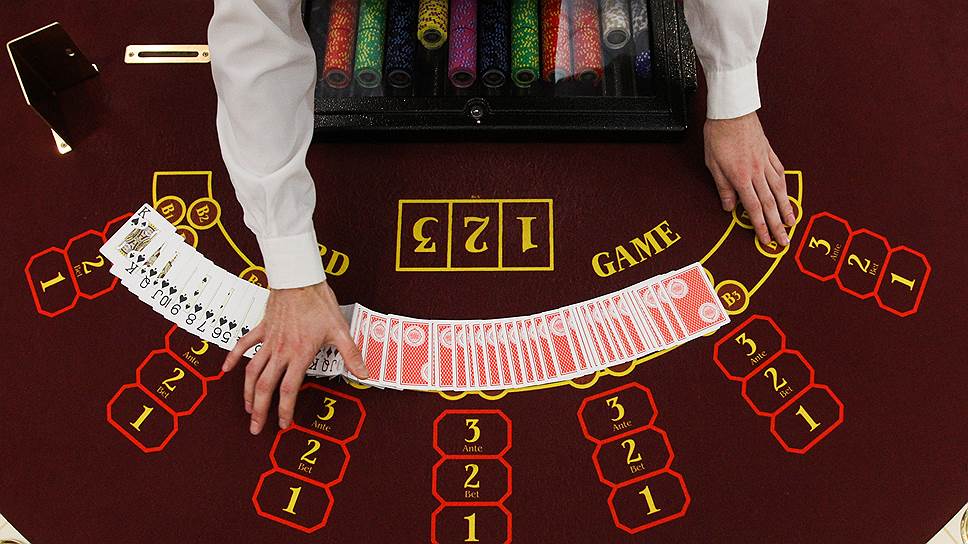
One of the most misunderstood concepts in gambling is the distinction between skill-based games and games of chance. Many players believe that skill can significantly influence the outcome of games like poker, while games like slots are purely luck-based. While poker does indeed require skill and strategy, it is still fundamentally a game of chance, as the cards dealt are random.
Understanding this distinction is vital for players. Those who are drawn to skill-based games may believe they can consistently outplay their opponents, but even the best players face the unpredictability of chance. In contrast, games of chance like slots and roulette provide no opportunity for skill to influence the outcome, emphasizing the randomness of these games.
Players should educate themselves on the mechanics of the games they choose to play. A clear understanding of how much skill can influence a game versus pure luck can lead to more informed and responsible gambling decisions. Moreover, enjoying the game for its own sake rather than obsessing over winning can foster a healthier approach to gambling.
Choosing Safe Gambling Platforms
When it comes to online gambling, the myth that all platforms are equal can lead players into unsafe situations. Many people believe that as long as a website has flashy advertisements or offers enticing bonuses, it’s a trustworthy option. However, the reality is that not all online casinos adhere to the same security measures or regulations. Choosing a platform that is reputable and licensed is crucial for a safe gambling experience.
Players should take the time to research casinos, looking for user reviews, regulatory compliance, and secure payment options. Websites that offer a transparent view of their licensing information and game fairness ensure a more trustworthy environment. Engaging with platforms known for their customer service and responsible gaming practices is essential for a secure gambling experience.
For Australian players, sites that accept secure payment methods like Neosurf can enhance the gaming experience by providing anonymity and instant withdrawals. Such platforms often prioritize user security, enabling players to focus on enjoying their time without the worry of potential fraud or misuse of their information. Understanding the features of reliable online casinos can elevate the gambling experience while ensuring safety.