
3September 2026
The Nature of Casino Games
In the realm of casinos, a significant distinction exists between games of skill and games of chance. While games like poker involve a degree of skill, many popular casino games, such as slots and roulette, are predominantly influenced by luck. Each spin of the slot machine or roll of the dice stands independently, with the outcome determined by random number generators or physical mechanics, making it impossible for players to predict or alter results based on skill alone. For those interested in exploring this topic further, captaincookerni.co.uk offers insights that highlight the nuances of gaming experiences. This inherent randomness is what separates games of chance from those that require strategic thinking.
This randomness is central to the excitement that casinos offer. The thrill of potentially winning big can often overshadow the reality that success is largely based on fortune rather than calculated strategies. This factor attracts a wide variety of players, from novices hoping for a lucky break to seasoned gamblers who understand the odds yet still acknowledge the unpredictable nature of luck. Many players enter casinos with the hope that luck will tilt the odds in their favor, often overlooking the statistical realities at play.
Understanding the nature of casino games is essential for anyone entering a casino. While strategies may enhance enjoyment and can improve results in skill-based games, it is crucial to recognize that in many cases, the role of luck is far more dominant. Players must accept that regardless of their skill level, luck will always be a substantial component of their gaming experience, influencing outcomes in ways that skill cannot. This acknowledgment can lead to a more enjoyable and realistic approach to gambling.
The Psychology of Luck in Gambling
The psychological aspect of luck plays a significant role in how individuals approach gambling. Many players believe they can control or influence luck through rituals, superstitions, or specific behaviors, such as wearing lucky clothing or following particular routines. This belief in personal agency can create a strong emotional investment in the outcomes of games, despite the underlying randomness. For many, the act of gambling becomes intertwined with a psychological need to feel in control, even when the odds are stacked against them.
Moreover, this psychological reliance on luck is often what keeps players returning to casinos. The ambiguity of luck can be thrilling; the possibility of a big win, driven by pure chance, can become an addictive experience. This element of unpredictability fuels excitement, encouraging players to continue playing in hopes that luck will be in their favor. It’s this belief that makes the experience entertaining, even if the odds are not in their favor. Many players can recount stories of extraordinary luck, reinforcing the idea that fortune can strike at any moment, which adds to the allure of casino gaming.
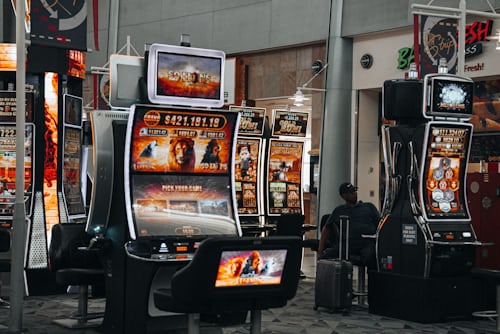
Understanding luck’s psychological impact can also help explain why many players experience swings in their emotions while gambling. A streak of losses might lead to frustration, while a fortunate win can evoke exhilaration. Recognizing that these emotional highs and lows are part of the gambling experience and tied closely to the unpredictable nature of luck can lead to a healthier approach to gambling overall. Players who can manage their emotional responses to luck may find a more balanced and enjoyable gaming experience.
The Economics of Casino Operations
The structure of casino operations is designed to capitalize on the element of luck. Casinos thrive on the randomness of outcomes, which is why they invest heavily in marketing the allure of chance. Games are engineered to give the house an edge, ensuring that over time, luck favors the casino rather than the player. Understanding this economic principle is crucial for anyone considering gambling as a viable source of entertainment or income. The casino industry is built on the expectation that most players will lose over time, which allows for high profit margins.
For instance, slot machines are programmed with specific return-to-player percentages. While they may seem enticing, the odds are typically stacked against the player, underscoring the importance of luck in determining outcomes. Each player may experience short-term wins, but in the long run, the casino’s advantage prevails. This balance between player excitement and casino profit solidifies the notion that luck is a primary factor in gambling results. The business model of casinos relies heavily on the notion that while players may win occasionally, they will ultimately contribute to the house’s bottom line.
Furthermore, the economic model of casinos thrives on the unpredictability of luck. The potential for massive payouts draws players, but the reality is that these payouts are infrequent. Casino operators understand the dynamics of chance and skill, and they exploit this to stimulate player engagement. Gamblers must grasp this reality to approach their gaming experience with informed expectations, acknowledging that luck will always play a more prominent role than skill. This understanding can help players make more informed decisions about their gaming habits and expectations.
Strategies to Manage Luck in Casino Gaming
While luck is a fundamental aspect of casino games, players can employ strategies to manage how they engage with it. Setting limits on both time and money is essential to ensure that the thrill of gambling remains a form of entertainment rather than a financial burden. By establishing boundaries, players can enjoy the excitement of chance without falling into the trap of overindulgence. This practice not only protects finances but also promotes a healthier relationship with gaming as a leisure activity.
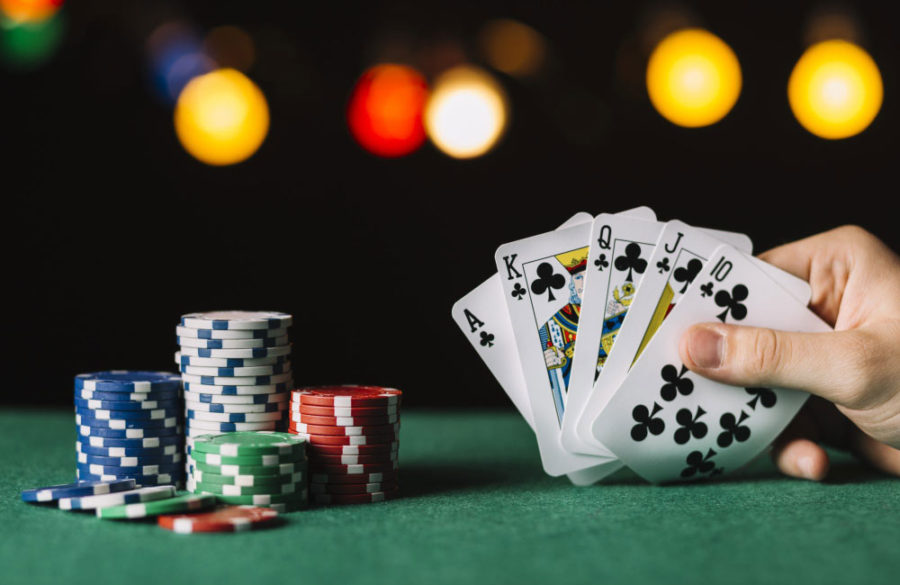
Additionally, players should focus on games with a higher skill component when they wish to exert some control over their gambling outcomes. Games like poker allow for strategic thinking and decision-making, providing a balance between skill and luck. However, it is vital to remember that even in these situations, luck can heavily influence the outcome, especially in a tournament setting where one pivotal hand can change everything. Players must remain aware of the dual nature of these games, where skill can enhance the experience but cannot eliminate the element of chance.
Keeping a balanced perspective is crucial when approaching any casino game. Embracing the role that luck plays without becoming overly reliant on it can enhance the overall experience. Players should aim to enjoy the games for their entertainment value and not solely for the hope of winning. This mindset shift can lead to a more sustainable approach to gambling, one that recognizes luck as a significant player in casino dynamics. By focusing on enjoyment rather than solely on outcomes, players can foster a more positive gaming experience.
Conclusion and Final Thoughts
In conclusion, the nature of casino games fundamentally intertwines luck and skill, yet luck emerges as the more dominant force in the vast majority of games. While strategies can enhance player experience, they cannot change the inherent randomness that defines casino outcomes. Understanding this distinction is vital for anyone who wishes to engage responsibly with gambling. Recognizing that luck is a primary driver of results can help players set realistic expectations for their gambling experiences.
A balanced approach that recognizes the role and influence of luck can lead to a healthier relationship with gambling. It allows players to enjoy the thrill of the game while being mindful of the risks involved. As individuals venture into the casino world, awareness and perspective are crucial for preserving the entertainment value of the experience. By embracing the unpredictable nature of luck, players can focus on the enjoyment of gaming rather than the pressure of winning.
For more information and insights into the dynamics of gambling, including strategies to enjoy games without falling prey to the pitfalls, our website offers valuable resources. We provide a wealth of articles and guides that delve into the psychology of gambling, the economics of casinos, and responsible gaming practices. Join us online to enhance your understanding of how luck and skill interact in the vibrant world of casinos, and learn how to navigate the gaming landscape with confidence and enjoyment.