
28May 2026
Understanding the psychology behind gambling what drives risk-taking behavior
The Allure of Gambling
The excitement and thrill associated with gambling create a powerful allure that draws individuals into this world. This fascination often stems from the unpredictable nature of the outcome, where each bet presents an opportunity for significant gain, albeit with a risk of loss. The psychological thrill of winning against the odds can evoke a euphoric rush, compelling players to seek more of that exhilarating feeling. In fact, many users find that using the PinUp Bet app enhances their experience, making it even more thrilling. Such a cycle can make gambling feel not just exciting but also addictive, as the brain becomes conditioned to chase the next big win.

Moreover, the environment of casinos and betting platforms is designed to amplify this thrill. With bright lights, engaging sounds, and an overall atmosphere that encourages risk-taking, players are immersed in a sensory experience that can heighten their emotional responses. This carefully crafted ambiance serves to distract from the potential downsides of gambling, focusing instead on the excitement of the game and the possibility of striking it rich. The combination of these factors makes gambling a compelling activity that captures the interest of many.
Additionally, social interactions within gambling environments can fuel risk-taking behavior. Engaging with others, whether at a casino or through online platforms, can create a sense of camaraderie and shared experience. This social aspect encourages individuals to take risks they may otherwise avoid, as they feel emboldened by the presence of peers. This dynamic can significantly influence decision-making, leading to increased betting behaviors and higher stakes, as players seek to impress or keep up with their peers.
Various psychological factors contribute to why individuals engage in risk-taking behavior, particularly in gambling. One significant driver is the phenomenon known as “loss aversion,” where people perceive the pain of losing more intensely than the pleasure of winning. This imbalance can lead individuals to gamble more in attempts to recover losses, often resulting in a cycle of risky behavior. They may chase losses without considering the likelihood of continued failure, which can lead to detrimental outcomes.
Another psychological driver is the concept of “near-miss” situations. When players come close to winning, such as hitting a jackpot but just missing a critical element, they often interpret this as a sign of skill rather than luck. This misinterpretation can motivate them to continue gambling, believing that a win is imminent. The brain releases dopamine in response to these near-wins, further reinforcing the desire to keep playing. As a result, players may be misled into thinking they are on the verge of success, driving them to take greater risks.
Furthermore, individual personality traits play a vital role in determining risk-taking behavior in gambling. Factors such as sensation-seeking and impulsivity can predispose certain individuals to engage more frequently in gambling activities. Sensation-seekers crave novel and intense experiences, making the unpredictable nature of gambling particularly attractive. Impulsive individuals, on the other hand, may struggle to weigh risks versus rewards effectively, often leading them to make hasty decisions that increase their likelihood of engaging in risky betting behaviors.
Cognitive biases are systematic patterns of deviation from norm or rationality in judgment, and they play a significant role in gambling behavior. One such bias is the “gambler’s fallacy,” where individuals believe that past events influence future outcomes in random activities. For instance, a person might think that after a series of losses, a win is due. This misconception can lead to increased betting as they try to capitalize on what they incorrectly perceive as a statistical likelihood. Such biases cloud judgment and can drive people to take unnecessary risks.
Another prevalent bias is the “illusion of control,” where gamblers believe they have some influence over the outcome of random events. This may manifest in strategies or rituals that individuals believe improve their chances of winning. For instance, a player might consistently play a specific slot machine or follow particular betting patterns, believing that these actions can sway luck in their favor. This sense of control can be intoxicating, encouraging more frequent and riskier bets.
Lastly, the “availability heuristic” plays a role in risk-taking behavior, where individuals judge the probability of events based on how easily they can recall similar instances. If someone recalls a friend winning a big jackpot, they may perceive their chances of winning as high, prompting them to take greater risks. This cognitive bias fosters an environment where past successes overshadow the realities of odds and probabilities, encouraging players to gamble more aggressively than they typically would.
The environment in which gambling occurs significantly impacts risk-taking behavior. Cultural attitudes toward gambling can shape how individuals perceive and engage with it. In societies where gambling is normalized and celebrated, individuals may feel less apprehensive about taking risks. This cultural acceptance can create a supportive atmosphere that encourages gambling, leading to increased participation and higher stakes. Additionally, local regulations and advertising can influence how gambling is viewed, further driving risk-taking behavior.
Accessibility also plays a crucial role. With the rise of online betting platforms, such as mobile apps, the ability to gamble has become easier than ever. This convenience can lead to impulsive decisions as players can place bets quickly, often without fully considering the potential consequences. The constant availability of gambling options can trap individuals in a cycle of risk-taking behavior, where they might gamble during moments of stress or boredom, seeking an escape or adrenaline rush.
Furthermore, peer influence can drive individuals toward riskier gambling behaviors. Friends and social circles often play a crucial role in shaping attitudes and behaviors. If an individual’s friends view gambling positively and engage in high-stakes betting, they may feel pressured to participate similarly to fit in or gain social approval. This dynamic can create a ripple effect, leading to increased gambling frequency and higher risk-taking among groups, further perpetuating the cycle of behavior.
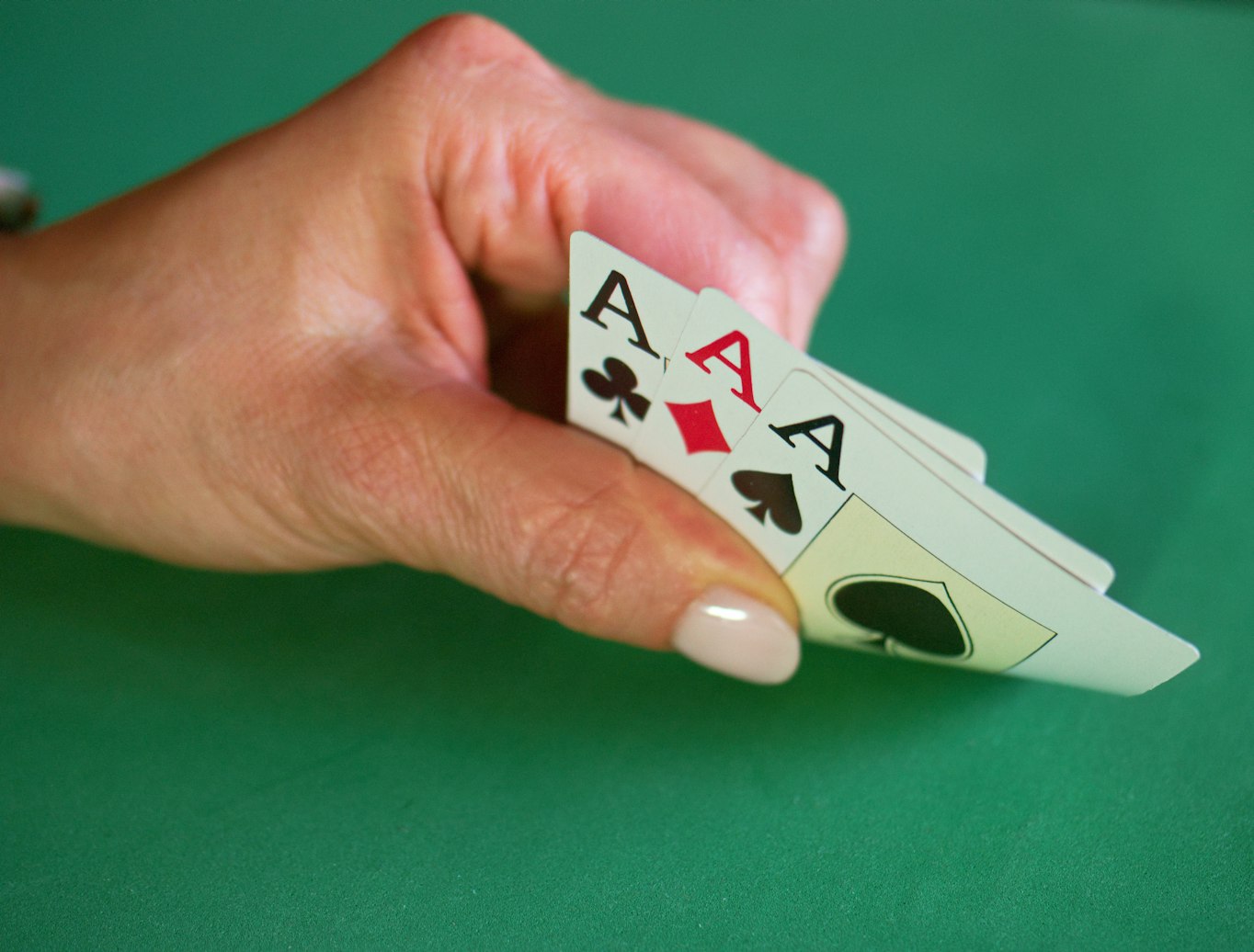
For those intrigued by the psychology of gambling and eager to explore its exciting world, Pin-Up Bet offers a comprehensive online betting platform designed for users in Bangladesh. With a seamless mobile app, it allows users to engage in a wide variety of betting options, including sports betting and engaging casino games. The platform’s user-friendly design and focus on security ensure that players can enjoy their experience without concerns about safety or transaction issues.
Pin-Up Bet also understands the importance of enticing new users and retaining seasoned players. By providing generous bonuses and promotions, it creates an enticing environment for players to explore their risk-taking behaviors. Such incentives not only enhance the overall experience but also encourage users to take calculated risks, aligning with the psychological factors driving their gambling choices. In addition to this, players can gain valuable insights from their time on the platform as they navigate through different games.
Ultimately, as players delve into the dynamics of gambling through platforms like Pin-Up Bet, they become more aware of the psychological underpinnings that influence their behavior. This understanding can help them make more informed decisions, leading to a more enjoyable and responsible gambling experience. The combination of engaging games, social interaction, and a well-structured environment makes Pin-Up Bet an excellent choice for both new and experienced bettors looking to explore their interests in a secure setting.
“`